
What To Do With Sourdough Discard
Welcome to Part 2 of the Simple Sourdough Starter Series! Whether you’re in the middle of growing your first sourdough starter or you have an active mature starter in your kitchen, you’re bound to end up with discard. But don’t worry—you don’t have to waste anything! Whether your discard is young and unpredictable or fully matured and nicely tangy, there are countless ways to use it up, from savory dishes to sweet treats. In this post, we’ll explore the difference between active starter and discard, when and why to discard, proper storage, safety tips, and creative ways to use young discard—plus my discard reset technique for rejuvenating old and sour discard!
What Is Sourdough Discard?
When I first started out with sourdough over 10 years ago, I had no idea what discard was. I kept my starter zero-waste style and only ever fed it the amount I would need for the next day’s bake (don’t worry, I’ll tell you all about it in the next post!). In fact, I never came across the term until a few years later, and I found it super confusing. Why would anybody grow their starter and then throw parts of it away? Let’s break it down:
What’s The Difference Between Active Starter And Discard?
Once the wild yeasts in your starter have used up all the fresh flour from their last feeding, they will grow inactive. That’s the point when active starter becomes discard—meaning that it’s no longer good to bake bread with.
What Is a Starter’s “Peak”?
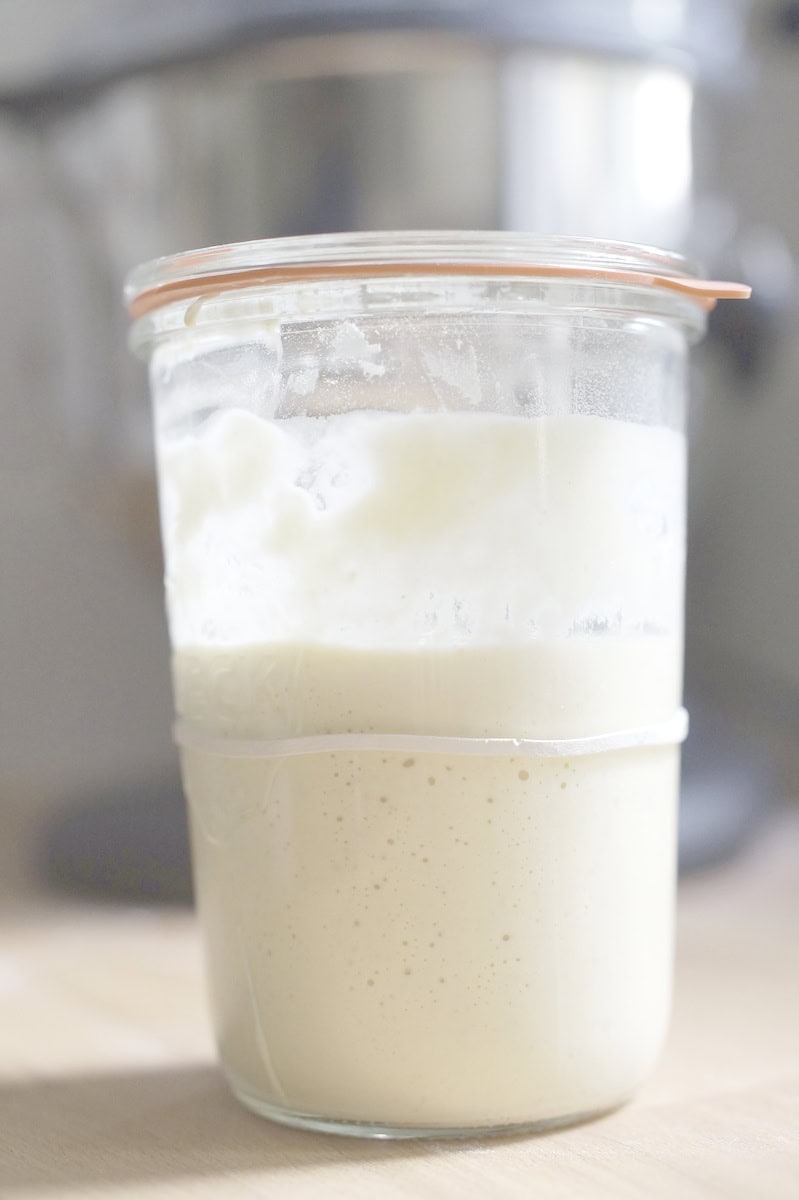
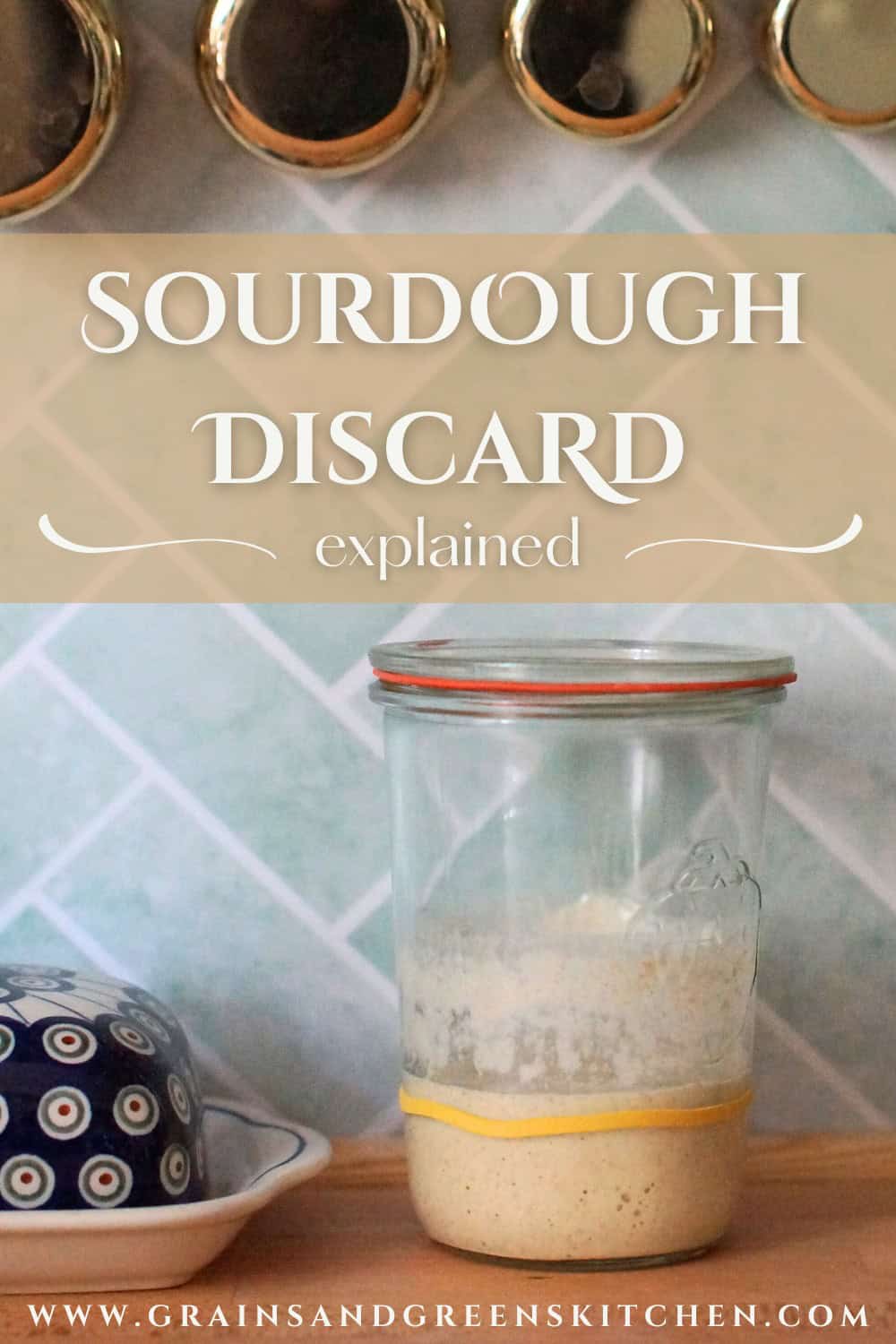
It refers to the point when the starter has grown to maximum size and the wild yeasts have reached maximum activity. After that, it’ll collapse in on itself and slowly go inactive. (You can see the line on the side of the jar in the photo above.—that’s where it peaked! See how much it deflated after that? Now it’s discard.)
Discard ≠ Garbage—it’s just less active, excess starter that still carries wild fermentation magic.
When and Why to Discard
While your new starter grows, it will need to be fed every day. A starter needs to be fed it’s own weight in both flour and water for optimal growth (1:1:1 feeding ratio), or it might become too acidic. The next feeding would need to be larger and the starter would grow too much, too quickly. That’s why it’s common practice to remove part of the starter (i.e. discarding) before a new feeding.
Once you start using your sourdough starter to bake bread with, you need to add it to the dough “at its peak”. If you don’t remove part of the starter for baking at that point, you’ll have to feed it again later to reactive. And again, you’d have to discard before a feeding, to keep the size manageable.
Discarding part of the starter keeps the microbial balance in check, ensuring that your starter doesn’t become too large or overly acidic. Keeping it manageable means you’ll have a healthy, active starter ready to bake with!
Collecting Discard
If you read Part 1 about How To Grow a Sourdough Starter, you know when you can start collecting early discard safely. The process of collecting discard is the same for active, mature starters and young starters that are still growing to full strength:
- Pour discard into a clean, sizable jar. Screw the lid on tight, label it and keep it in the fridge.
- You can add to the jar every day, every time you discard. Stir well after each addition.
- Every time you add fresh discard, it serves to protect and regulate the microbial balance of the entire jar.
Note: Use young discard within a week or so of collecting. Whatever you decide to do with it, make sure it gets cooked thoroughly. (More on that in a second.)
In the beginning, discard from a young starter will be a little unpredictable and less flavorful. As your starter matures, you’ll have discard with more flavor to play with in recipes.
Storing Discard
How To Know If Discard Has Gone Bad
Discard is not safe to use if you spot any of the following:
Sourdough discard can smell acidic (sometimes even like acetone) if it’s a few days old. That’s normal. While it will smell different to a fed, active starter, it shouldn’t smell bad.
Is Young Discard Safe To Use?
One of the reasons I prefer the hybrid method for growing a sourdough starter is that you don’t start discarding until the starter is a bit more stable. That way you can actually use it in recipes later on. Since this is still very immature discard however, there are a few things to consider, to keep it food safe:
Early discard (before day 8) contains both good and harmful microbes. Once the good bacteria gain the upper hand, they create a low-pH environment that kills off bad bacteria and makes it safe for wild yeasts to grow. That’s what’s indicated by the rising of any starter. It still takes a starter around 7 days to really achieve a balance where to good bacteria are truly in charge. Until then, enough harmful bacteria might still be present which even baking might not fully neutralize.
It’s not really uncommon. Every food spoils eventually. That’s why fermentation, fridges, and canning exist—because harmful microbes are everywhere. It’s the amount we ingest that matters.
Once your starter shows healthy signs of life (bubbling and rising!), feel free to start saving your discard. The microbial balance is much more stable at that point, making it generally safe to use—as long as you cook it thoroughly (i.e. baked at 175°C+/350°F+ for at least 10–15 mins).
As always, use your best judgment! It’s better to waste a little flour than risk getting sick. Never eat discard raw or feed very young discard to pets. Take extra care when cooking for small children, pregnant women, the elderly, or anyone with a compromised immune system, as they may be more vulnerable to foodborne illness.
How To Use Discard
Sweet recipes are not going to be the best fit in the early days. The taste and smells of very young discard is unreliable and usually not as pleasant as discard from an established starter. It gets better with each feeding but it will take around 2 weeks before you get a discard that’s truely pleasant in sweet recipes.
If you’re working with a mature starter, you can use your discard for sweet recipes, no problem. It will taste pretty sour after about a week in the fridge. It’s up to you whether or not you like to use it in sweet recipes!
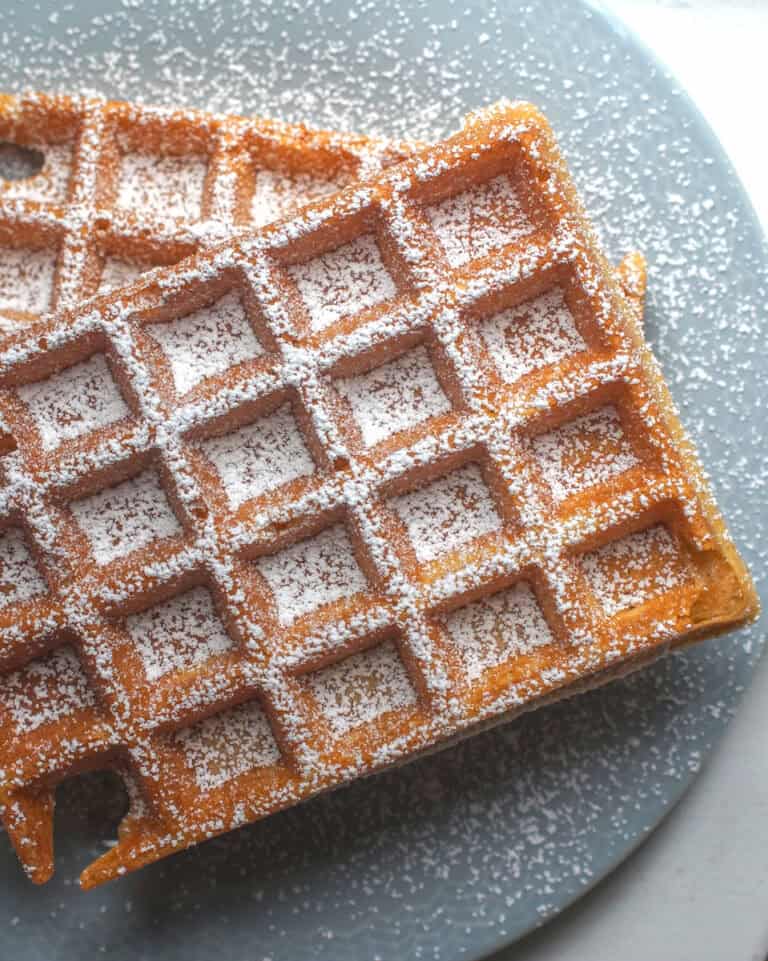
Sourdough discard can be added to all kinds of baking—it’s most commonly used in pancakes, waffles, cookies, or anything with a quick bake time. Discard bread recipes like sandwich loaves, English muffins, and bagels are also super popular. You can even add it to your own go-to recipes. Just be sure to reduce the flour and water to account for the extra hydration.
What To Do With Young Discard
I find it worthwhile to collect young discard while a new starter grows in strength. And unless it’s gone bad, there are still ways to use it safely!
Harmful microbes, including bacteria like Salmonella, E. coli, and Listeria, are generally neutralized when food reaches an internal temperature of at least 74°C (165°F). For comparison: Sourdough bread reaches an internal temperature of 88°C to 99°C (190°F to 210°F) when it’s done baking, which is well above the threshold needed to kill most pathogens!
That’s why adding it to bread or pizza dough and baking in the oven at high temperatures is the safest way to use up young discard from the early days. Here’s how to do it:
- Add it to bread or pizza dough: Once your sourdough starter is active and you’ve successfully baked your first loaf of sourdough bread, try adding 100g of discard to your next batch. Just reduce the recipe’s flour and water by 50g each to keep hydration stable. (If you add a smaller amount, like 50g of discard, it shouldn’t throw off hydration enough to cause problems, even without adjusting the original recipe.)
- Use it for discard bread: Depending on the recipe, you can use up a lot of discard at once and rely on commercial yeast for the rise. Discard sandwich bread (like my Toasted Oat & Honey Discard Sandwich Bread) is especially popular! This is a great option while your starter gains strength, and it helps prevent waste early on.
Once your starter is doubling reliably and strong enough to rise bread dough, there’s a little trick I pull to re-ferment older discard from the fridge and make it usable for sweet recipes again:
Discard Reset
Resetting discard is essentially a way to re-ferment old discard and bring it back to life. You’ll end up with quite a bit, so be ready to use it the next day.
Once you’re confident that your starter is healthy and established, here’s how to do it:
- Pour 300g of old, collected discard from the fridge into a large bowl. Make sure it is in good condition and worth saving (no mold, pink streaks, fuzz or awful smells).
- Add at least 150g of active, bubbly starter at its peak—more if you want to!
- Feed the mixture generously: add at least 225g each of fresh flour and water.
- Let it ferment in a warm spot for around 6–12 hours. It should become bubbly and smell pleasantly tangy, just like fresh starter.
You’ll be left with 900g of refreshed discard. That’s about 4 cups—perfect for a double batch of waffles or pancakes!
Coming Up Next: Maintaining Your Sourdough Starter (Discard and No-Discard Method included)
Now that you know how to manage and use your discard, it’s time to start thinking about maintaining a healthy starter long-term. In the next post, we’ll cover how to keep your starter alive and happy, troubleshoot common issues, and choose the best upkeep method for your kitchen—so your starter is always ready to bake when you are. Stay tuned!
Need More Discard Recipe Ideas?
Check out my discard recipe section for some of my favorite ways to use sourdough discard:





6 Comments