
Sourdough Lussekatter (Swedish Saint Lucia Buns)
These sourdough lussekatter are made with active starter and rise overnight, giving you fresh, warm, and soft Saint Lucia buns in the morning. This easy recipe adapts to your local flour, creating tender, fragrant saffron buns every time.


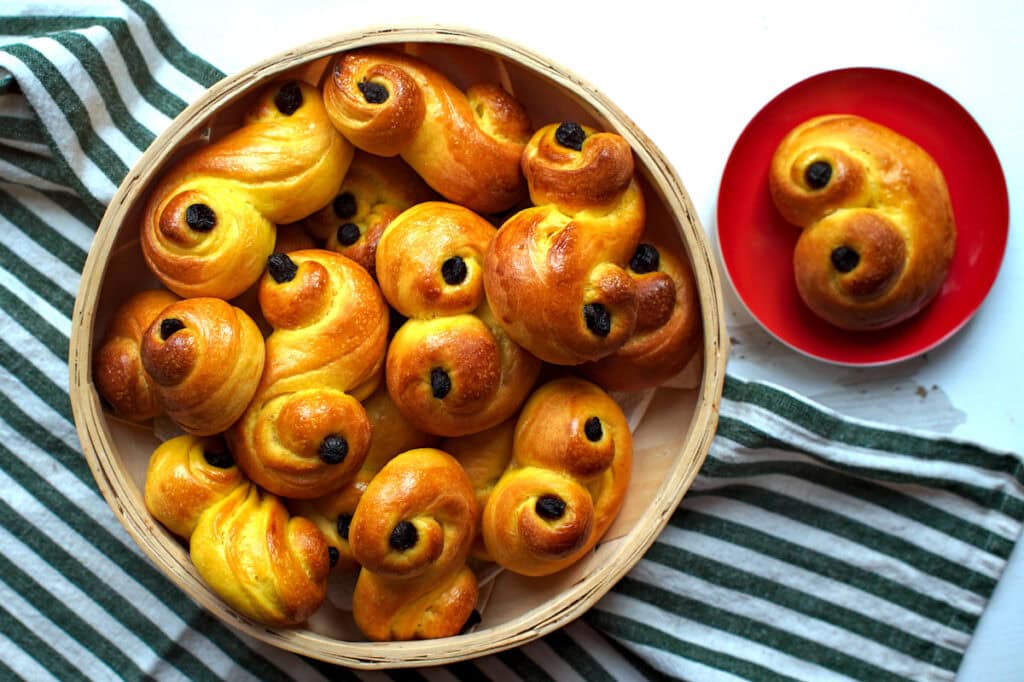
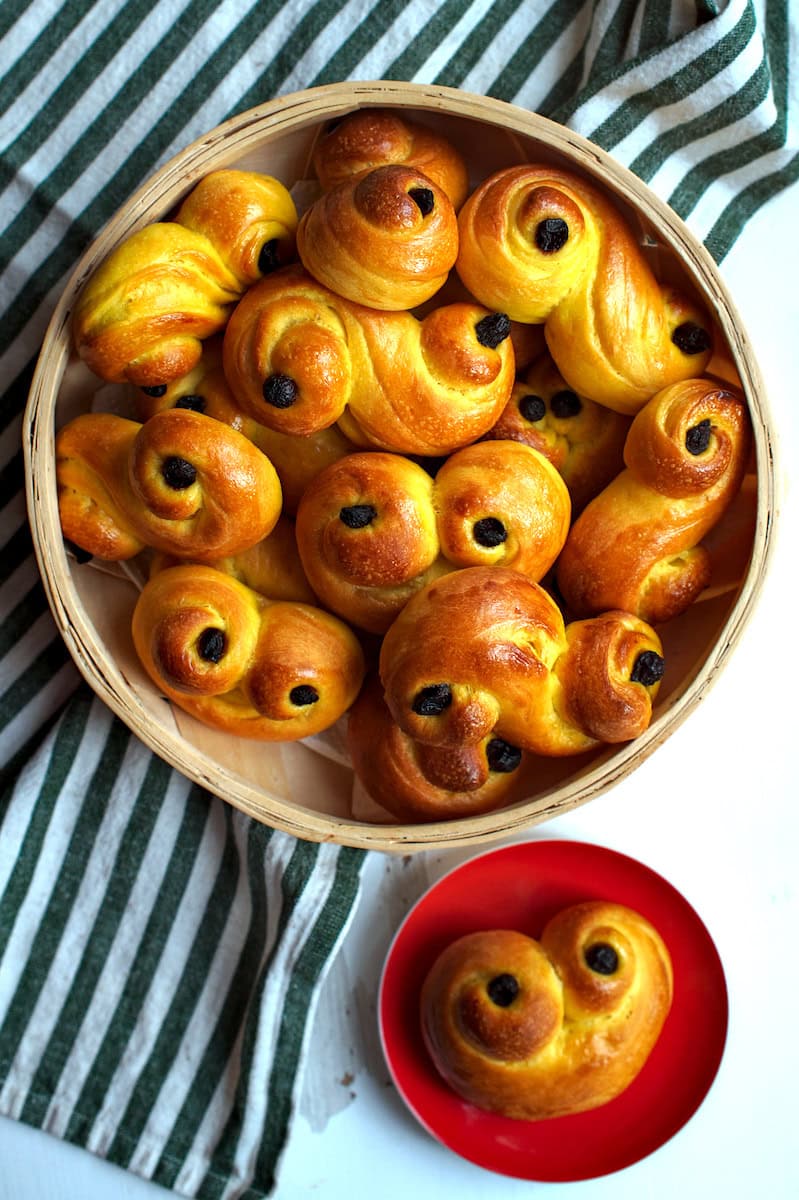
One of the most iconic Swedish bakes, without a doubt, are Swedish lussekatter or Saint Lucia buns.
Baked in celebration of Saint Lucia Day (December 13th) all over Sweden, they’re golden, small sweet buns, made with butter, milk, a generous dose of saffron, and yeast. But I find them even better made with active, bubbly sourdough starter! It adds a lovely layer of flavor without making the buns sour at all.
The Swedish have a knack for doing things with a twinkle in their eye, so of course, they’re not just making regular old buns. They bake their buns in as many traditional shapes as there have been bakers making them throughout the centuries.
So if you’ve been waiting all your life to bake a tray of “Christmas pigs”, “Lucia cats” or “hair of the priest” — this one’s for you!
Why You’ll Love This Sourdough Lussekatter Recipe
Dunking a fresh, warm lussekatter into a steaming cup of hot cocoa on a pitch black December morning is another one of my Sweden-related, cozy childhood core memories.
But even if you didn’t grow up with saffron buns, there are still enough good reasons to love this sourdough lussekatter recipe:
A change of routine: Nothing sets a season like special recipes that you only make once a year. And as much as I love no-fuss, bake-without-thinking bread making, it’s nice to add a seasonal special to my regular sourdough rotation.
Easy overnight recipe: Sourdough lussebullar are especially cozy made fresh on chilly December mornings. And the dough supports that beautifully! It’s enriched with butter and milk and rises slowly overnight.
For most people, our kitchens are colder in winter anyway, so there’s very little risk of this enriched dough overfermenting while you sleep.
Bonus: It’s easy to knead by hand (albeit a little sticky), doesn’t require stretch and folds or any special equipment!
Kids can help: After bulk, the dough will be silky smooth and a dream to work with. In other words perfect for little hands! Rolling out ropes and twisting them into fun shapes is the best way to get your kids excited about baking from scratch.
Perfect make-ahead recipe: These little sourdough saffron buns keep so well! Bake them once and enjoy them throughout the rest of the week — or freeze some for later!
Ingredients & Substitutions
Saffron: I prefer ground saffron for ease of use, but either ground or threads work. If you use whole threads, do your best to dissolve them in the warm milk before mixing the dough.
Traditional Swedish recipes call for 1 g of saffron — but since that would set me back 36€ (40$ !) in a German supermarket, I only use 0,2 g. The buns still taste beautifully of saffron and still turn a deep golden orange, so feel free to use as little or as much as works for you.
Whole Milk: Always use whole milk, so the crumb stays tender and moist. For dairy-free buns, soy milk is the best replacement, but any whole-milk-style plant milk will work.
Unsalted Butter: For dairy-free buns, choose a high quality vegan block butter with a fat content of around 80%.
Sourdough Starter: It needs to be active and bubbly, so feed it 4-6 hours in advance.
Egg: Mixing one egg with a tablespoon of milk makes the best egg wash for saffron buns, giving them lightly golden and naturally sweet tops.
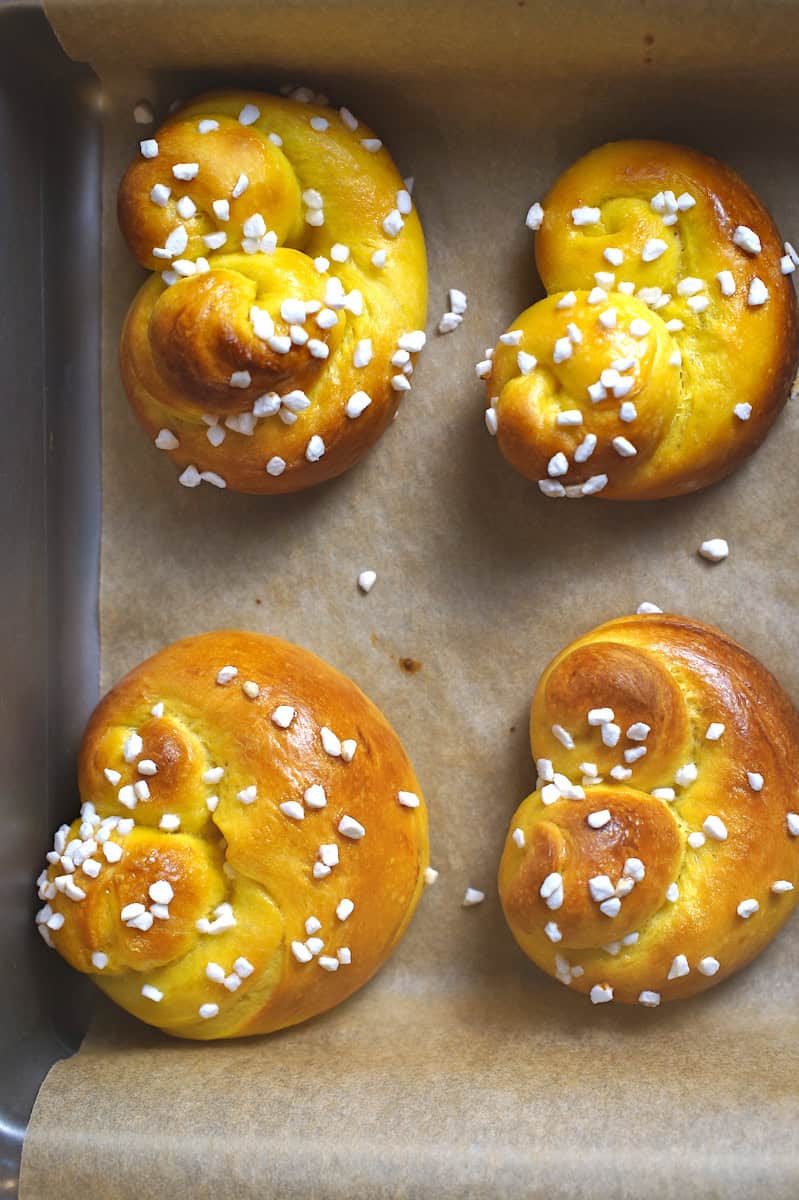
Raisins: Saint Lucia buns are always decorated with raisins. Make sure to soak them before baking, so they don’t burn in the oven! If you’re not a fan of raisins, use dried cherries or cranberries, or just sprinkle your buns with a little pearl sugar instead. (Or do both. Pearl sugar never ruined anything.)

How to Make This Dough Work With Your Flour
Traditional lussebullar are made with regular, refined white flour (milled from soft wheat). It’s what gives the buns their classic light, tender crumb. But flour strength varies a lot around the world, and depending on what’s available where you live, you may need to adjust the amount of milk to get the dough just right.
Here’s a simple guide to the most commonly found wheat flours and how much milk to start with:
How to Make Sourdough Lussekatter (Step-by-Step)


01
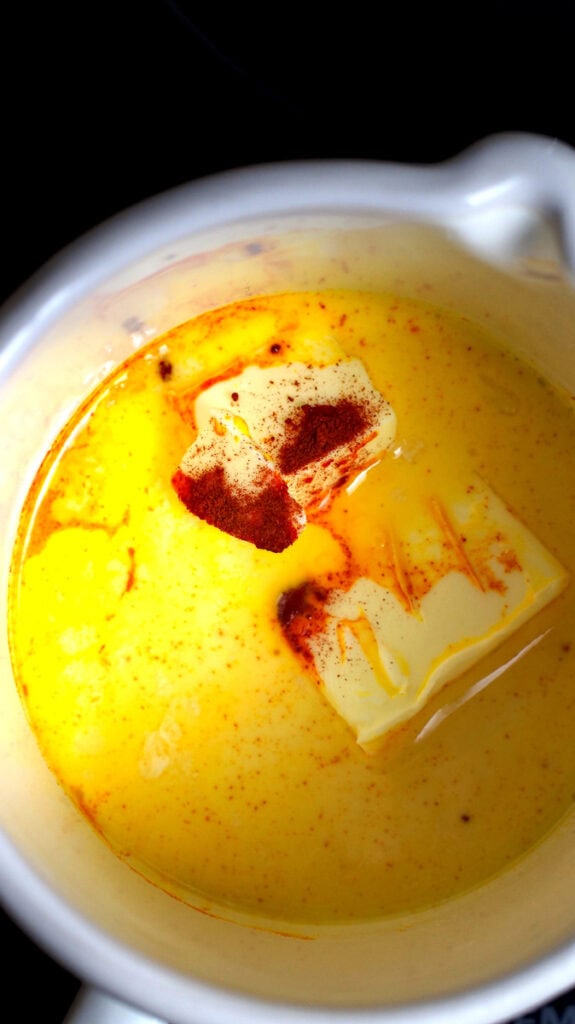
Dissolve Saffron
In a small pot over medium low heat, warm the milk, butter and saffron, just until the butter has melted. Let the mix cool down to under 42°C (107°F). If you dip your finger in, it should feel neither warm nor cold.
02
Knead and Ferment Dough
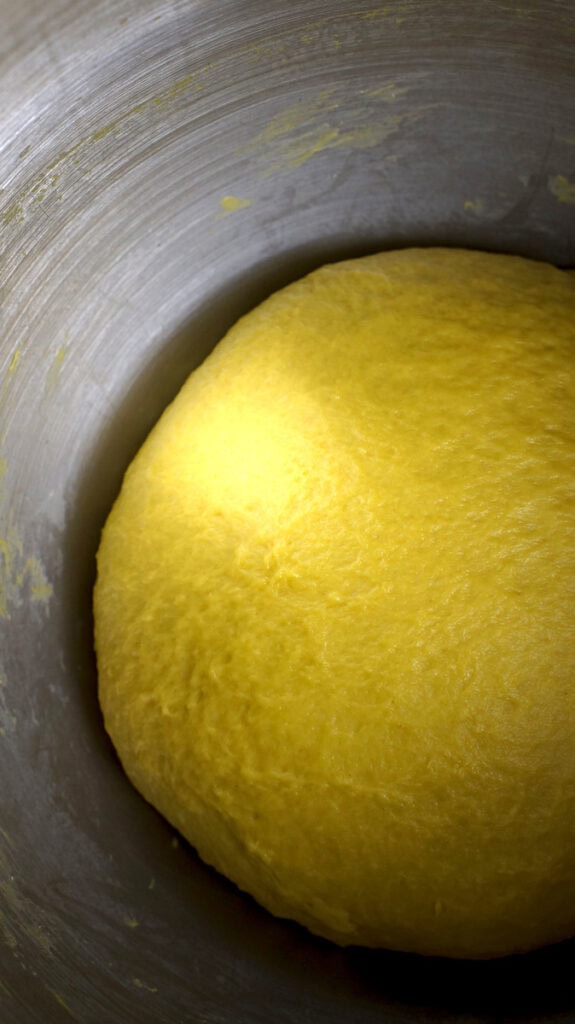
In a medium large bowl (or the bowl of a stand mixer) combine flour, sugar, salt and sourdough starter. Add the saffron milk mix and knead the dough for 7-10 minutes, using a stand mixer, hand mixer or your hands.
It will be sticky at first. Keep kneading until the dough becomes smooth and elastic and can be gathered into a smooth, tacky ball. Cover and ferment at room temperature overnight (around 8 hours).


03
Shape Buns
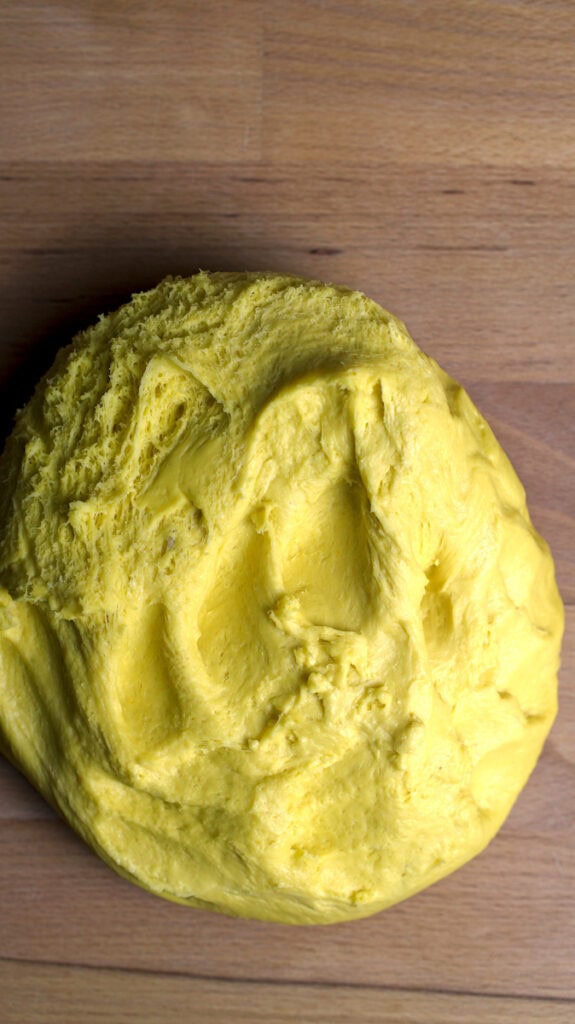
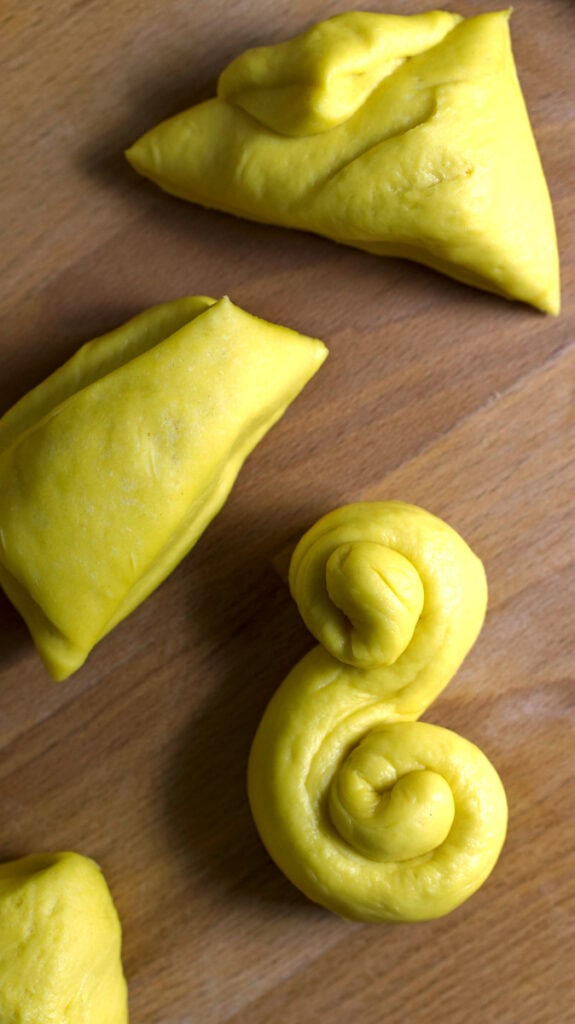
When the dough is puffy and doubled in size, turn it out onto a clean kitchen counter (skip dusting with flour). Divide the dough into 20 small pieces. Roll each piece of dough out into a long, thin rope beneath the palms of your hands. Roll the rope up from both ends at the same time, to create small S-shaped buns.
04
Proof Buns
Place the shaped buns onto a baking sheet lined with baking paper, cover with plastic wrap, and let rise for 1-2 hours at room temperature.
In the meantime, cover the raisins with hot water in a small bowl, to soak and soften.
05
Egg Wash
When the buns have risen and puffed, preheat the oven to 220°C (425°F). Beat the egg with 1 tablespoon of milk and egg wash the buns. Stick a raisin into the swirls on both ends of the bun.
06
Bake Buns
Bake for 08-15 minutes, or until the buns are turning golden. Keep an eye on them towards the end of the baking time—they brown very quickly!
07
Cool Buns
Rest the baking sheet on a wire rack and let the buns cool off. Serve straight away or loosely cover with plastic wrap if you plan to serve them later.

The Many Whimsical Shapes of Lussebullar
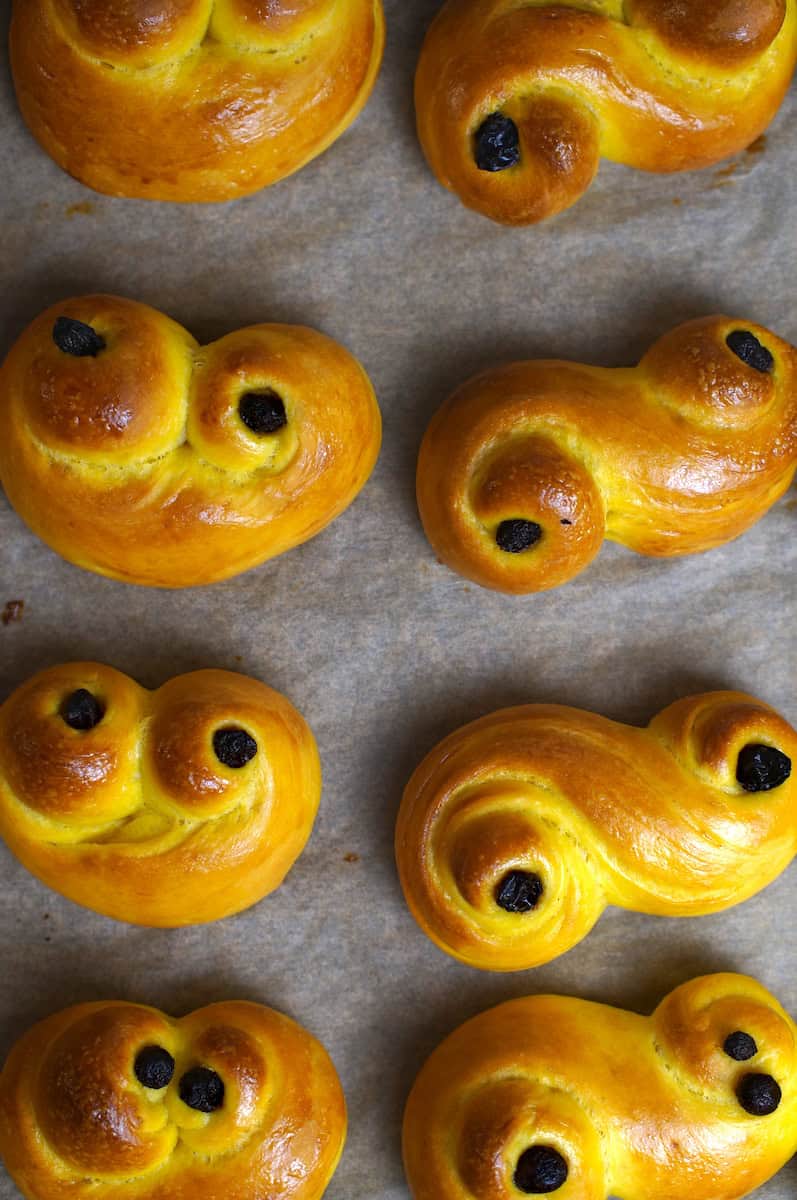
One of my favorite things about Swedish saffron buns is how many shapes they come in, and how playfully they’re named. There isn’t one “official” shape for lussebullar. Instead, you’ll find a whole cast of spirals, twists, loops, and curls, each with its own traditional (and often delightfully odd) name that kids love to giggle about. The shapes are mostly simple, but they each carry their own little story.
The classic S-shape is the one most people recognize. These days, the shape is usually called a lussekatt (“Lucia” or sometimes “light cat”).
Originally, the S-shape was called julgris or julgalt (“Christmas pig” or “Christmas boar”), although if you google it now, most sources will confidently tell you it represents a cat’s tail.
Naming traditions (and their explanations) aren’t as fixed as they’re made to sound. And honestly? It doesn’t really make a lot of difference. Choose the shape you grew up with, the one you saw in a book, or simply the one you think looks prettiest on a dark December morning.
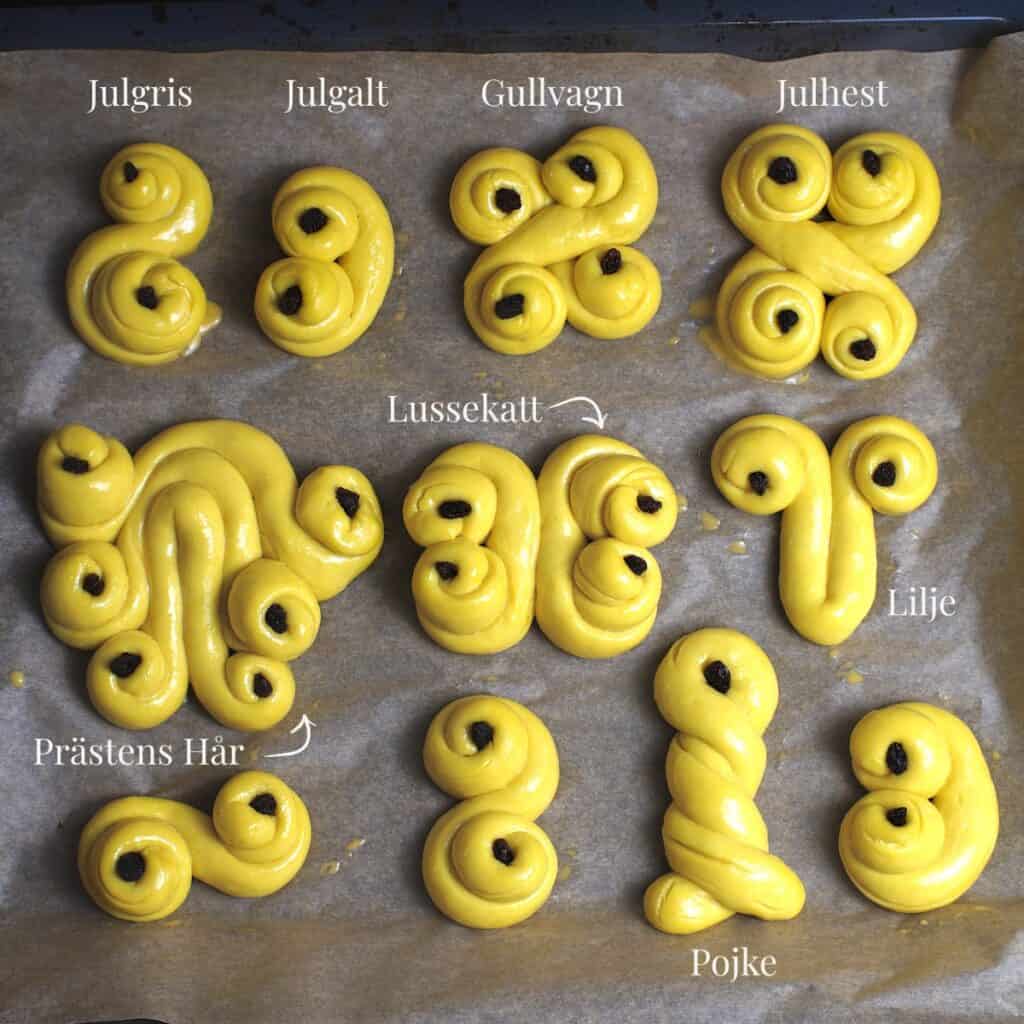
When I learned how to make lussekatter, the julgalt was our lussekatt and the julgris was just.. an S.
There’s no need to get it “right”.
Tips & Troubleshooting
you’ll be making sourdough lussekatter like a pro in no time!

How to Serve Sourdough Lussekatter
Saint Lucia buns are traditionally served on December 13th (Saint Lucia day).
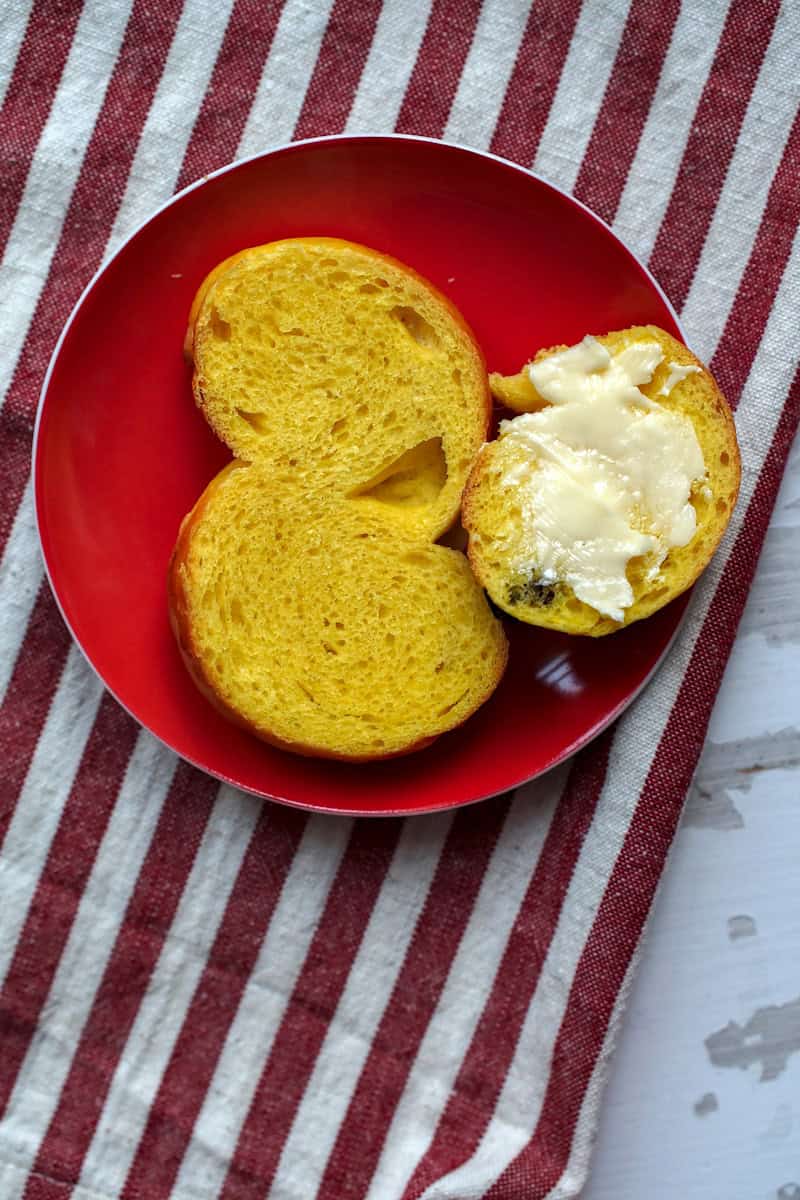
- Enjoy them plain, with a cup of coffee or tea, for breakfast or fika.
- Dunk into hot chocolate.
- Split, butter and spread with jam, honey or chocolate spread.
How to Store & Freeze
Sourdough lussekatter can be kept at room temperature for several days. Keep them well wrapped, so they don’t dry out.
Lussekatter also freeze beautifully! Fill a freezer bag with completely cooled saffron buns, remove as much air from the bag as possible and freeze for up to 2 months. Set the bag out to thaw overnight and warm the buns up briefly before serving.
Recipe FAQs
If you make these Sourdough Lussekatter…
I’d love to hear how they turned out!

P.S. If you’re into Swedish winter baking, you might love this recipe for The Best Fresh Milled Swedish Cinnamon Rolls (Whole Wheat Kanelbullar) as well!
happy baking!
Sourdough Lussekatter (Soft Swedish Saffron Buns)

Ingredients
Dough Ingredients
- 255 ml milk - (1 cup + 1 tbsp) See Ingredient Notes to adjust the recipe to your local flour.
- 100 g butter - (½ cup butter)
- 0.2-1 g saffron, ground or in threads
- 450 g all-purpose or bread flour - See Ingredient Notes to adjust the recipe to your local flour.
- 60 g sugar - (¼ cup + 1 tbsp)
- 120 g sourdough starter, active and bubbly - (½ cup)
- 2 pinches salt
Egg-Wash
- 1 egg
- 1 tbsp milk
Instructions
Dissolve Saffron
- In a small pot over medium low heat, warm the milk, butter and saffron, just until the butter has melted. Let the mix cool down to under 42°C (107°F). If you dip your finger in, it should feel neither warm nor cold.
Knead and Ferment Dough
- In a medium large bowl (or the bowl of a stand mixer) combine flour, sugar, salt and sourdough starter. Add the saffron milk mix and knead the dough for 7-10 minutes, using a stand mixer, hand mixer or your hands.
- It will be sticky at first. Keep kneading until the dough becomes smooth and elastic and can be gathered into a smooth, tacky ball. Cover and ferment at room temperature overnight (around 8 hours).
Shape & Proof Buns
- When the dough is puffy and doubled in size, turn it out onto a clean kitchen counter (skip dusting with flour). Divide the dough into 20 small pieces. Roll each piece of dough out into a long, thin rope beneath the palms of your hands. Roll the rope up from both ends at the same time, to create small S-shaped buns.
- Place the shaped buns onto a baking sheet lined with baking paper, cover with plastic wrap, and let rise for 1-2 hours at room temperature.
- In the meantime, cover the raisins with hot water in a small bowl, to soak and soften.
Egg Wash & Bake Buns
- When the buns have risen and puffed, preheat the oven to 200°C (400°F) fan, or 220°C (425°F) convection. Beat the egg with 1 tablespoon of milk and egg wash the buns. Stick a raisin into the swirls on both ends of the bun.
- Bake for 8-15 minutes, or until the buns are turning golden. Keep an eye on them towards the end of the baking time—they brown very quickly!
Cool Buns
- Rest the baking sheet on a wire rack and let the buns cool off. Serve straight away or loosely cover with plastic wrap if you plan to serve them later.
Notes
- If your stand mixer bowl is very large, move the dough to a smaller bowl before bulk rise. It’s easier to tell when it has doubled that way.
- will
- Store well wrapped at room temperature for several days or freeze for up to two months.
More from the Grains & Greens Kitchen




)
We LOVE making St. Lucia Buns, beautiful and delicious!
I’ve never heard of these! Sounds delicious! A must try!