Stale Bread Scald (Altbrot Brühstück) for Better Sourdough Crumb & Moisture
Learn how to make a traditional German stale bread scald (Altbrot Brühstück) to boost flavor, crumb, and shelf life in your homemade bread.


Most sourdough bakers come across the concept of scalds and soakers to enhance crumb quality sooner or later. But a traditional German stale bread scald (Altbrot Brühstück) is not only a good way to get a softer crumb, it also imparts the most amazing flavor.
It’s by far my favorite way to use up old, stale bread (especially while there are kids in their “only-with-crusts-cut-off-era”).
What Is a Stale Bread Scald?
A stale bread scald is a traditional European baking technique, especially popular in German and Austrian baking culture. Translated word for word, it means “old bread scalded piece”, and describes the use of stale, dried bread, scalded with boiling water into a thick paste.
This stale bread paste becomes a functional ingredient when added to fresh bread dough, where it improves crumb, flavor and shelf-life.
It’s often used in rye and mixed-grain breads, but it can be added to virtually all kinds of bread you like to bake in your kitchen.
Why Use a Stale Bread Scald in Bread Dough
Adding a stale bread scald to bread dough is not only a smart way to avoid food waste, it’s an ingredient that serves multiple functions:
How a Stale Bread Scald Works
Using stale bread in a scald does two things:
- The starches in bread were gelatinized during baking and partially retrograded during staling. When rehydrated with boiling water, they regain strong water-binding capacity and can bind larger amounts of water than flour. That way, more moisture can be retained without making the dough feel slack.
The water bound in a scald releases slowly during baking, resulting in a better crumb structure. Too much water weakens the gluten network of bread dough, but through the slow release of water, those gluten walls stay stronger throughout the bake without drying out or setting prematurely.
Water is also released slowly later, during storage. Breads with a scald usually stay fresher longer. - The other benefit of a stale bread scald is imparting flavor. Baking triggers the famous maillard reaction, which creates a lot of complex aromas in your old loaf, especially in the crust. By grinding stale bread and adding it back to a new dough, all those roasted bread flavors will be imparted to the new bread.
Stale Bread Scald vs. Tangzhong/Yudane
While a stale bread scald is less talked about on the internet, most home bakers have come across other scalds before. The most popular ones are the Chinese tangzhong, and the Japanese yudane methods.
We talked about Tangzhong and Yudane as the Secret to Tender Fresh-Milled Bread before.
Tangzhong is a roux made by cooking flour and water (or sometimes milk), to gelatinize the starches in the flour. You’ll often find tangzhong added to sweet breads (like these Best Fresh Milled Swedish Cinnamon Rolls).
Yudane is a scald made by pouring boiling water over flour. It’s a little less efficient in gelatinizing the starches in the flour, but it is easier and quicker to prepare.
A stale bread scald is closely related to these techniques. Stale bread is broken down into bread crumbs and scalded with boiling water. Since the starches in the bread are already gelatinized, there is no need to cook the paste. What really sets the stale bread scald apart is that it is not flavor neutral — in the best of senses!
It’s the easiest way to impart a deep, complex, roasty aromas to your breads, without extending fermentation times or increasing sourness.
When a Stale Bread Scald Works Best
A stale bread scald is the best option for baking sourdough loaves that benefit from a deeper flavor and softer crumb.
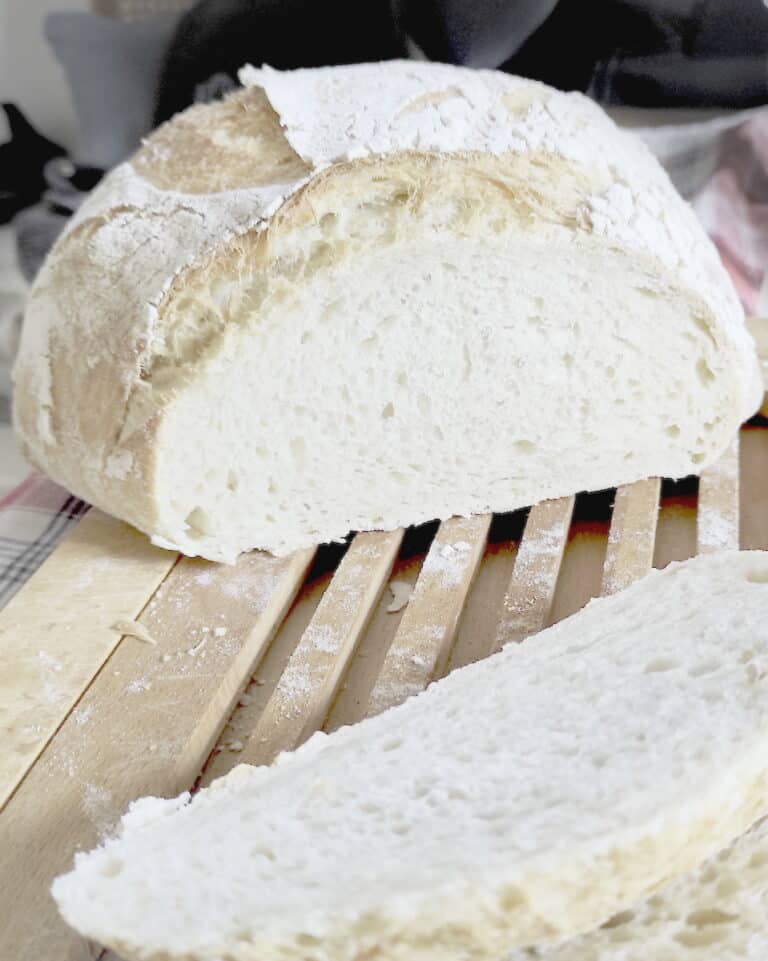
It really shines when added to loaves made with commercial flour, especially refined white flour, like all-purpose or plain flour. The deeper flavor is especially noticeable in those otherwise simple lean loaves.
White spelt flour, in my opinion, benefits most from a stale bread scald. Spelt binds and retains less water, so sourdough bread made with white spelt flour often has a tighter crumb that dries out very quickly. Because of spelt’s more fragile gluten, adding more water to the dough isn’t possible without making the dough slack and spread out during baking. Adding a scald is the best way to improve moisture retention while maintaining a stronger, structured dough.
Fresh-milled flour already comes with deeper flavor, but many home millers are still looking for ways to improve crumb softness. Instead of micro dosing hard to find dough enhancers, adding a stale bread scald is an easy, flavorful fix that relies on nothing else but the kitchen scraps you already have on hand.
While a stale bread scald still works wonderfully with fresh-milled flour, keep in mind that in this context, less is more. Too much stale bread can interfere with gluten alignment, because the bran and enzymes in fresh flour already make gluten development more difficult.
What Kind of Bread to Use
The best bread for a stale bread scald are lean sourdough or yeasted breads without added fats, milk or sweeteners. Adding a dense dark bread, like rye or a rye-wheat mix, imparts the most flavor.
Whichever bread you choose, make sure that it’s stale but not spoiled. As soon as you spot signs of mold, it can’t be saved and needs to be thrown away.
If you roasted your bread to dry, avoid using pieces that got too dark or even burned. They can taste bitter.
How to Make a Stale Bread Scald
To prepare old bread for the scald, you need to make sure that it’s completely dry:
- If your bread is stale but not fully dried, break or slice it into smaller pieces, and chop it in a food processor until it resembles bread crumbs. You can roast these bread crumbs in the oven at 160°C (320°F), fry them shortly in a dry pan, or just let them sit out overnight if the conditions in your kitchen are dry enough.
- Alternatively, you can cut off thin slices of bread and brown them in a toaster. Make sure they’re completely cool and dry before chopping or grinding in a food processor or stand mixer.
Once your stale bread is completely dried, you can prepare your scald:

Weigh out stale bread crumbs or chunks in a small bowl or mixing container.

Pour over boiling water and make sure all pieces are submerged. Cover the bowl, so the plastic wrap touches the surface of the scald, to prevent drying out or condensation. Cool to room temperature.

Depending on your preferred texture, you can either use the scalded crumbs as they are, or use an immersion blender to blend larger pieces of bread into a thick paste.
Pro Tips:
- If you’re planning to use an immersion blender, prepare 5-10% more scald than you’ll need. You’ll inevitably lose some of the paste as it sticks to blender, spoons and bowls, so make sure to weigh in the scald when you mix the dough.
- If you’re preparing the scald for several loaves in advance, add the salt to scald. It extends shelf life in the fridge.
How to Add a Stale Bread Scald to Any Dough
A stale bread scald replaces a portion of the recipe’s flour and water. Because it does not build gluten, the percentage of replaced flour should be kept low for wheat based or other gluten forming doughs. Bread doughs that don’t form a traditional gluten network, like rye or rye-heavy formulas, can handle higher amounts of scald.
Pro Tips:
- Always start at the lower end of any range given and see how it affects your dough. It’s easy to overshoot and too much scald can really interfere with gluten development.
- Add the stale bread scald to the dough along with the rest of the ingredients.
- If you’re doing an autolyse with flour and water, add the scald later, along with starter and salt.
- If you’re baking with fresh-milled flour, combine the flour, water and salt first for saltolyse, to slow down the active enzymes in the fresh flour. Add the scald later, along with starter and salt.
Using a Stale Bread Scald with Fresh-Milled Flour
Fresh-milled flour already has more damaged starches than commercial flour, which affects water absorption and retention. On top of that, the bran and enzymes in fresh-milled flour doughs continue to weaken gluten over time, making strong structure harder to achieve. So adding too much gelatinized starch from a stale bread scald can further challenge gluten development by competing for water and binding it too tightly.
If you keep to the suggested ratios however, a stale bread scald will noticeably contribute to a tender, resilient crumb, particularly in lean formulas. And even though fresh-milled sourdough already has fantastic flavor on its own, you will definitely notice the extra complex roasted flavors from the scald.
Using too much stale bread scald can make fresh-milled doughs brittle and less extensible, especially for grains with less or weaker gluten (like spelt).
FAQs & Troubleshooting
Where This Fits in Your Baking Toolkit
A stale bread scald is one of several hydration-binding techniques. Though it improves the crumb of weaker loaves, it’s not a fix-all.
Scalds work alongside proper dough development and fermentation control. Dough handling won’t change dramatically, but you may feel just a slight increase in stickiness.
Think of it as a bread improver, not necessarily a dough improver.
Though it uses leftovers from your table, I wouldn’t go so far as to call it a zero-waste technique. The amount of stale bread needed for a scald is small, more suited to using up cut-off crusts from a toddler’s breakfast. But still, it’s always nice to use up any leftovers instead of tossing them.
Many people new to fresh-milled flour already appreciate the deeper flavors, but many are actively trying to achieve a softer crumb, to get a more familiar texture. Instead of fighting a high hydration dough, adding a simple scald is definitely the easier way to achieve just that.
Have you ever used a stale bread scald before, or is this your first time hearing about it?
It’s a traditional technique that doesn’t get talked about much anymore, but it’s such a useful one to have in your back pocket.
If you give it a try, I’d love to hear how it worked in your kitchen — let me know in the comments below!
Happy Baking!